
Drass I Traveled to India's Coldest Village, and It Changed the Way I See Life Forever
The road from Srinagar had already taken me through towering mountain passes, winding valleys, and landscapes that looked too beautiful to be real. Every turn revealed another breathtaking view of the Himalayas, but I had no idea that the most unforgettable experience of my journey was still waiting ahead. A weathered signboard appeared beside the road.

Welcome to Drass – The Coldest Inhabited Place in India.
I stepped out of the vehicle, expecting nothing more than cold mountain air. Instead, the cold hit me like an invisible wall.
Within seconds, my cheeks went numb. Every breath I exhaled turned into a cloud of white mist, drifting silently into the crisp Himalayan sky. The silence was unlike anything I had ever experienced. There were no city horns, no crowds, no rush—only the gentle whisper of the wind flowing through the snow-covered mountains.
For a moment, I simply stood there.
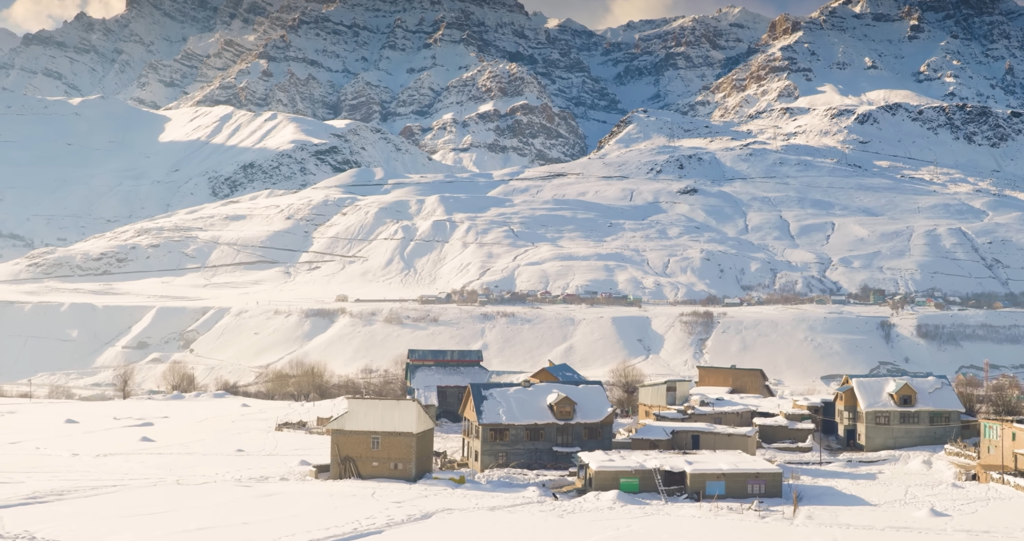
Surrounded by towering peaks dressed in white, tiny houses scattered across the valley, and a river flowing quietly through the frozen landscape, it felt as if I had stepped into another world.
This wasn’t just another tourist destination.
This was Drass.
A place where winter temperatures have fallen to an astonishing -60°C, making it one of the coldest inhabited places on Earth.
As our local driver smiled and welcomed us, he casually said, “This is a pleasant day. During peak winter, the real cold hasn’t even started.”
I laughed, assuming he was joking.
He wasn’t.
The thermometer outside read well below freezing, yet the people walking through the village carried on with their daily lives as if nothing was unusual. Children laughed while playing, shopkeepers greeted customers with warm smiles, and smoke curled gently from the chimneys of traditional homes where families gathered around a glowing bukhari heater.
The contrast fascinated me.
Nature here seemed determined to test every living thing.
Yet the people had learned not just to survive—but to thrive.
As I walked deeper into the village, I noticed houses built differently from anything I had seen before. Thick mud walls, small windows, and multiple wooden doors weren’t architectural choices—they were ingenious solutions developed over generations to keep the deadly cold outside.
Inside one home, the comforting warmth of a traditional Bukhari welcomed me. The aroma of freshly brewed pink tea filled the room as my frozen hands slowly regained feeling. The family invited me to sit beside the fire as though I were an old friend rather than a stranger who had just arrived.
Outside, the icy wind continued to sweep across the valley.
Inside, there was warmth, laughter, and hospitality that no thermometer could measure.
It was then I realized something extraordinary.
People don’t remember Drass because it is cold.
They remember it because, in one of the coldest places on Earth, they discover some of the warmest hearts.
That first evening taught me a lesson I would carry long after leaving the mountains.
Sometimes, the harshest landscapes create the strongest people.
And sometimes, the most unforgettable journeys begin with a single step into the cold.

